
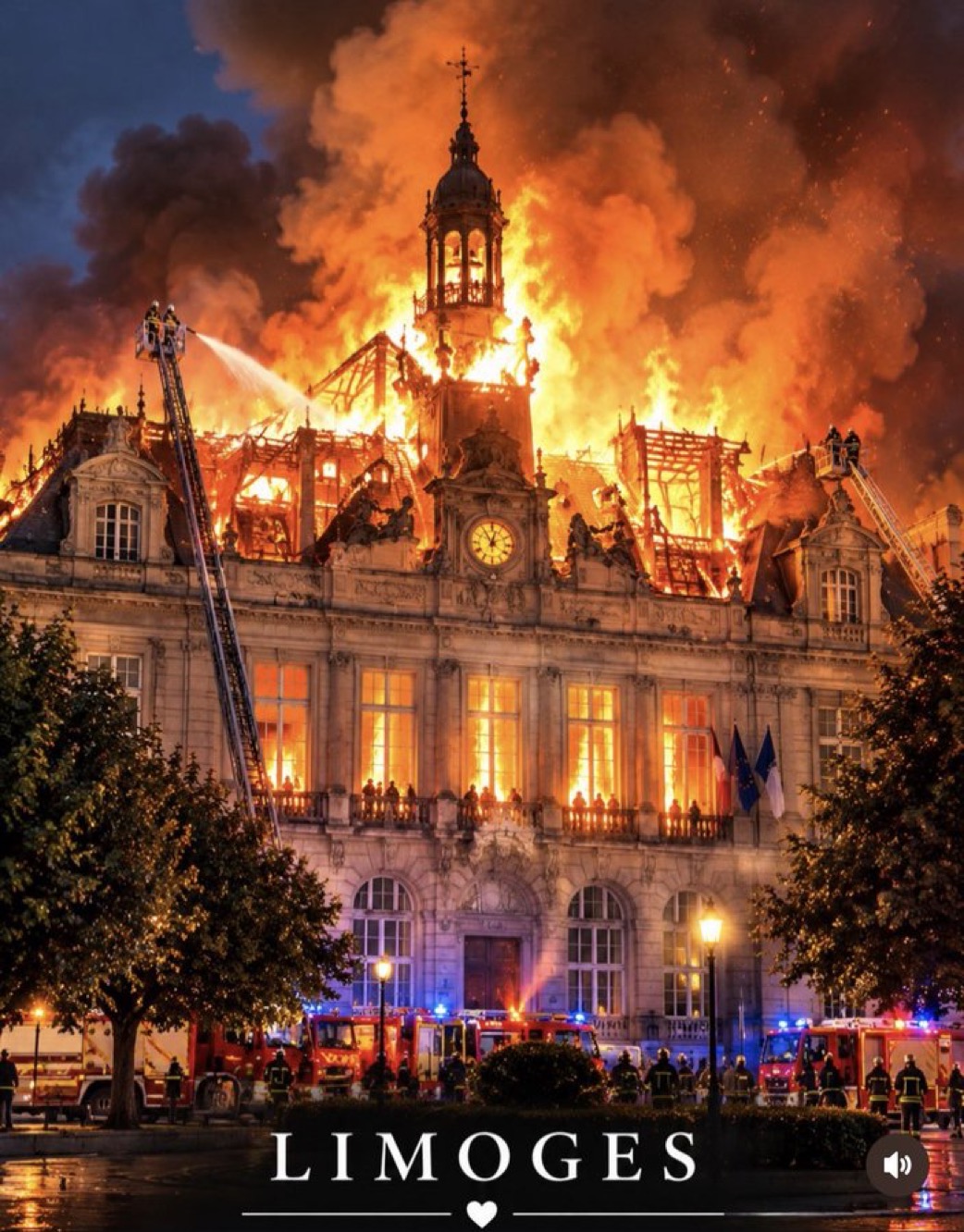
Across major urban centers in France and Western Europe, cities have been rocked by intense street clashes, looting, and widespread civil unrest. What began in several municipalities as student demonstrations over public education funding quickly escalated into broader anti-government riots. However, an analysis of the key demographics, radical factions, and messaging on the ground reveals that these escalations are largely driven by migrant youth integration grievances and heavily organized pro-Palestinian ideological movements.
1. The Escalation from Local Grievances to Urban Chaos
While initial demonstrations were sparked by local socio-economic issues, the situation rapidly turned violent as hardline agitators flooded municipal centers. Historic municipal structures, public transportation infrastructure, and commercial districts in cities like Paris, Marseille, Lyon, and Milan have suffered widespread arson, vandalism, and looting.
Governments across Western Europe have responded with heavy anti-riot deployments:
- Mass Arrests: Over 1,200 individuals have been detained in France alone during weekend clashes, with hundreds more arrested across neighboring borders.
- Security Personnel Casualties: Hundreds of law enforcement officers and emergency personnel have sustained injuries while defending public infrastructure.
- Institutional Property Damage: In cities such as Limoges, municipal buildings were set ablaze as crowds confronted riot police using pyrotechnics and makeshift weapons.
2. The Role of Migrant Communities and Demographic Pressures
Border security and demographic integration lie at the heart of the current crisis. Much of the unrest has concentrated in high-density migrant neighborhoods surrounding major European cities.
Political analysts and regional authorities note that long-standing integration failures have created disenfranchised enclaves where anti-state sentiment runs deep. Critics and political figures argue that unvetted migration patterns over recent years have destabilized domestic security, fostering parallel societies with little attachment to national law or state institutions.
The disproportionate involvement of second- and third-generation migrant youth in urban property destruction highlights a growing divide between European civil authorities and immigrant communities.
3. The Palestinian Flag as a Radical Symbol of Convergence
A distinct feature of these riots is the prominent visibility of pro-Palestinian flags, slogans, and messaging during anti-state clashes.
Political commentators observe that the Palestinian cause has evolved from a specific Middle Eastern geopolitical conflict into an overarching ideological banner for radical anti-Western movements.
- Symbolic Convergence: Radical agitators use pro-Palestinian imagery to connect domestic grievances—such as housing, border policies, and economic inequality—with global anti-Western rhetoric.
- Extreme Rhetoric: During clashes with law enforcement, slogans explicitly targeting Western institutions and state authority are frequently combined with pro-Palestinian chants.
- Co-optation: What starts as peaceful civic assembly is regularly hijacked by organized pro-Palestinian networks and far-left agitators seeking direct confrontation with the state.
4. Policy Implications for Border Control and Internal Security
The convergence of failed integration and activist radicalization presents severe policy challenges for European leaders.
BorderStat Analysis: The ongoing instability across France and Europe demonstrates that domestic social unrest can no longer be viewed in isolation from border security and migration policy. When radical ideological movements align with unintegrated urban populations, the result is a direct threat to state stability and public order.
The violence has reignited calls across border monitoring agencies and conservative legislative blocs to implement stricter border controls and re-evaluate asylum policies:
- Enhanced Border Enforcement: Increasing border security measures to monitor and regulate movement into the EU bloc.
- Expedited Deportations: Accelerating legal pathways for deporting foreign nationals involved in violent offenses or criminal riots.
- Internal Surveillance & Public Order Laws: Expanding authority for law enforcement agencies to disband unauthorized demonstrations linked to extremist movements.